Disposable Gowns for Factories: What to Check Before Ordering in Bulk
Disposable gowns for factories: how to choose material, cut, and pack size, and what to calculate before a bulk order. A practical guide for procurement managers in food and meat ahead of repeat purchasing.
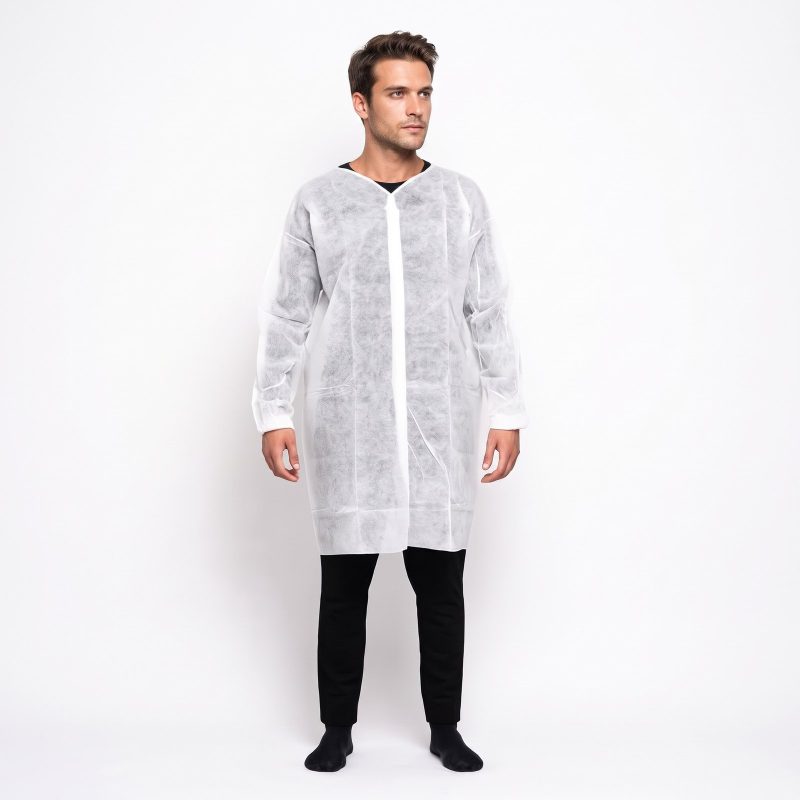
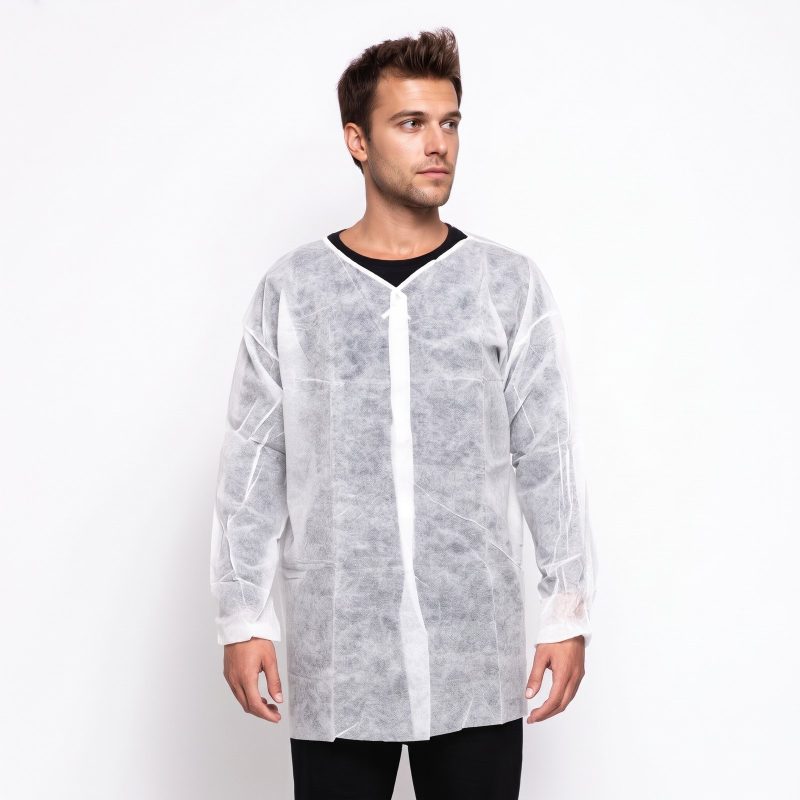
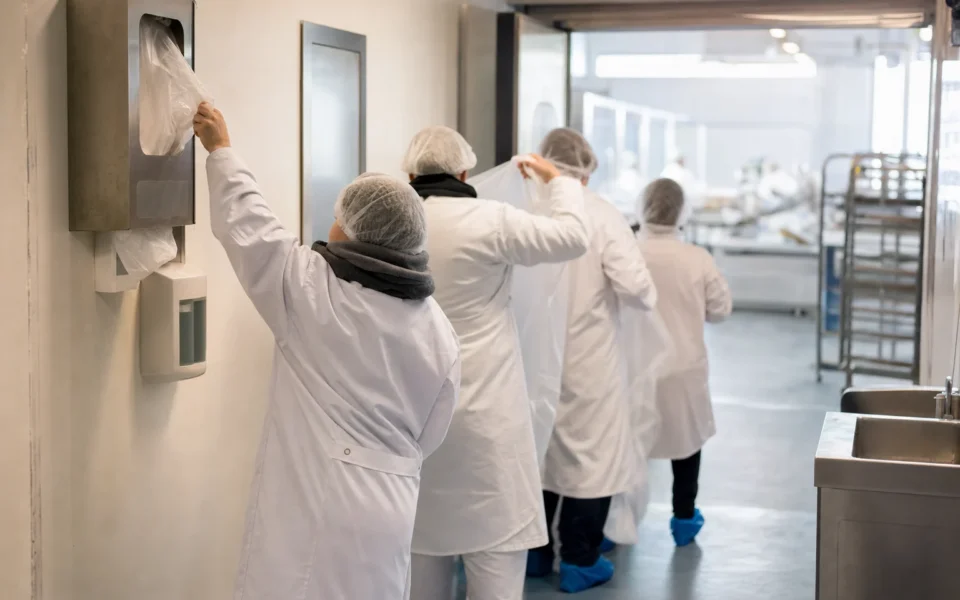
 Image for illustration only · Created by AI
In short
Before ordering disposable gowns for factories, define use cases, choose material and cut to match the production line, and calculate consumption by shifts and pack sizes. Differences between a gown, a lab jacket, and a nylon gown will affect employee comfort and pack utilization. Also review complementary items and supply schedules to build a fixed assortment that may reduce issues across departments and periods.
- Choose material and cut per station activity: nonwoven for continuous work and nylon for short or wet situations.
- Match colors and visual identifiers to separate departments and manage shifts.
- Calculate monthly consumption by employees, shifts, and units per employee, and convert to the actual pack size.
- Understand the difference between a disposable gown, lab jacket, and nylon gown, especially sleeve length and quantity per pack.
- Build a consistent complementary set: sleeves, aprons, head and face covers, boot covers.
When is it right to use disposable gowns in factories?
Disposable gowns are suitable when you need a clear separation between personal clothing and the production environment, and uniform management of employee appearance on the line. They simplify maintenance between shifts and departments without repeated laundering.
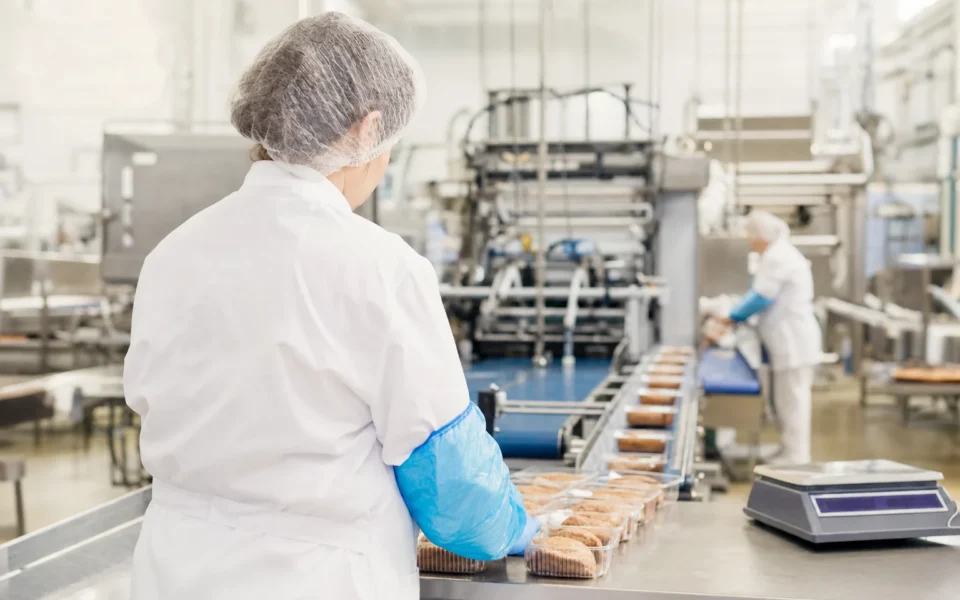
In most food, meat, and delicatessen sites, the disposable gown serves as a clean outer layer at the start of the shift, and at the end it is discarded regardless of laundry cycles. This helps achieve visual uniformity, reduce the risk of transferring dirt from the packing area to production, and make inventory management by packs easier.
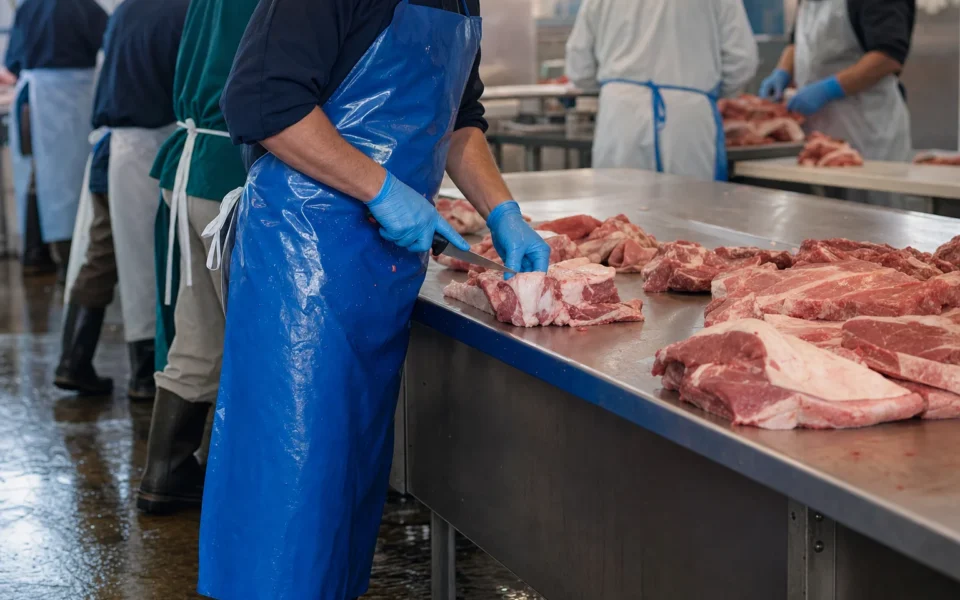
In departments with frequent exposure to moisture or splashes, a nonwoven gown is sometimes paired with a thick nylon apron on top. In receiving and quality departments, a shorter cut is sometimes preferred for easier movement between stations.
How to choose material, color, and cut?
Select material and cut by work environment and type of product contact, and color by department separation. Nonwoven material and long sleeves are common on production lines, while nylon and shorter cuts suit short or wet uses.
Material: Nonwoven is suitable for continuous wear, balancing comfort with inventory management. Nylon is suitable when a basic barrier is needed for a short time or over an existing layer. Nylon gowns provide a cost-effective answer for specific scenarios.
Cut: Long sleeves are preferred where hands frequently contact surfaces and products. Short sleeves fit managerial roles or in-motion inspections, where lightness and breathability take priority.
Color: White allows timely dirt detection and visual uniformity for customers and auditors. Blue or another distinct color helps separate departments, shifts, or visitors.
Packaging: Ensure pack size matches the department and change frequency, which can reduce partial pack openings and scattered inventory.
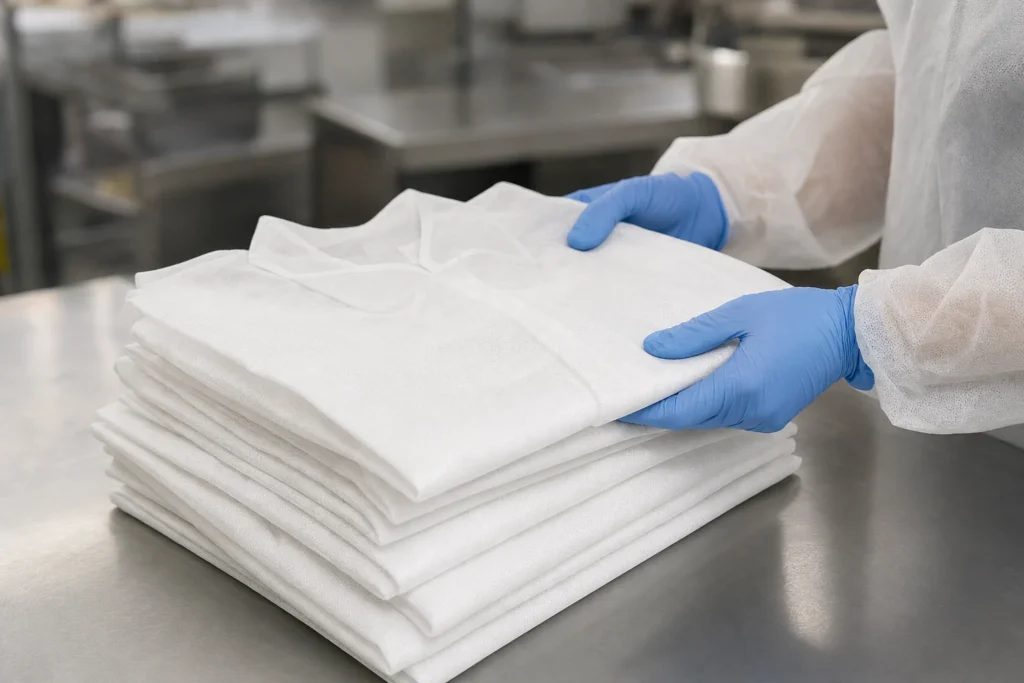 Image for illustration only · Created by AI
Sizes, packaging, and consumption calculation before a bulk order
Check whether the size is One Size or precise sizes, and translate consumption per shift and per month according to quantity per pack. This way you can match the number of cartons to the minimum order quantity and department needs.
On most production lines it’s convenient to use One Size gowns, as long as the cut is comfortable for employees. When dealing with nylon gowns in precise sizes, make sure the length and width fit employees, especially in seated stations or frequent bending.
Multiply the number of employees per shift by the number of shifts and the number of gowns per employee to get total units needed for the period. Then divide by the actual pack size of the selected model.
Example: A plant with 60 employees on two shifts per day, one gown per employee per shift, and 22 working days per month. The calculation is 60 employees × 2 shifts × 22 days = 2,640 gowns per month. If you choose a 10-unit pack, you’ll need 2,640 ÷ 10 = 264 packs. If you choose a 100-unit pack, you’ll need 2,640 ÷ 100 = 26.4, i.e., round up to 27 packs.
To reduce waste, it’s advisable to unify products with identical pack quantities within the same department. Opened inventory is more likely to be fully used, and stock counts can be less frequent.
What’s the difference between a gown, a lab jacket, and a disposable nylon gown?
The main differences are material, sleeve length, and quantity per pack, which affect comfort and how often packs are opened. Accurate selection by station can make usage and logistics more efficient.
With a nonwoven gown or lab jacket cut, you get a comfortable feel and uniform look in production departments. Nylon gowns offer a cost-effective alternative in larger packs and sometimes suit wet work when combined with an outer apron.
Below are relevant catalog models to help focus your choice among cuts and pack sizes:
| Item | Material | Color | Qty per pack | Size or sizes | Country of manufacture | SKU |
|---|---|---|---|---|---|---|
| Disposable long-sleeve gown | Nonwoven | White | 10 units | One Size | China | 126 |
| Disposable long-sleeve lab jacket | Nonwoven | White | 10 units | Not specified | China | 1912 |
| Disposable short-sleeve lab jacket | Nonwoven | White | 10 units | Not specified | China | 124 |
| Disposable nylon gowns, white | Nylon | White | 100 units | 135×70 cm | China | 111 |
What to add to the order: complementary items and station-based management
Combine complementary items to match coverage to station activity and department consumption. This can help avoid unnecessary pack openings and maintain uniformity across shifts.
A typical set includes aprons, nylon sleeves, head and face covers, beard cover, and boot covers. The logic is simple: staff at wet or cutting stations will need a nylon or polyurethane apron over the gown, while dry departments may suffice with a gown and mask.
Category examples: disposable sleeves to prevent localized hand soiling, head covers and masks to maintain visual order across production lines, and boot covers for areas with wet floors. Everything can be grouped under the disposable apparel category to create consistent sets for different departments.
When scheduling supply to remote departments, consider holding smaller packs for slow-moving items and larger packs for items consumed every shift. This makes better use of storage space and lowers the risk of spot shortages.
- Aprons: disposable nylon or polyurethane for extended use, per work environment.
- Sleeves: packs of 100 units can simplify shift allocation.
- Head and face: nonwoven caps, masks, beard cover per site procedures.
- Feet: boot covers for wet or muddy areas.
How to work effectively with a disposable apparel supplier for bulk quantities
Define a brief, clear specification, monthly consumption, and a quarterly forecast, and request a quote by model, size, and quantity. Ensure consistent pack formats and long-term availability.
A concise specification includes: required cut (gown, lab jacket, or nylon gown), sleeve length, material, preferred color, pack size, and department separation. Attach a typical usage scenario for each station to help the supplier align quantities.
Logistics: Check how items are arranged in cartons, whether there’s internal division that eases opening at the station, and options to consolidate apparel shipments with ancillary packaging already inbound to the warehouse.
Ongoing fit: Ask for confirmation of selected models’ availability for a quarter or half-year, and define a review point for consumption changes. This can reduce mid-period model swaps.
Distribution companies and food plants operating across multiple sites typically prefer fixed models. It’s convenient to work with a supplier that consolidates a range: gowns, lab jackets, nylon gowns, aprons, and caps in the same order. Dogans Ltd., owner of the TITANIC brand and active for over three decades, imports and markets to businesses a wide range of disposable apparel and protection alongside packaging products. You can review product details and request an organized quote by pack and size.
One important note: before rollout, verify that your chosen specification matches the site’s quality and safety procedures, the manufacturer’s instructions, and the regulations applicable to your sector.
- Prioritize a primary model for each department to reduce inventory fragmentation.
- Color separation between shifts or roles as needed operationally.
- Test a physical sample before committing to bulk.
- Procurement policy: tiered pricing by quantity, minimum order quantity, and combining models in one shipment.
Sample catalog models to consider
A nonwoven long-sleeve gown suits core production lines and opening sanitation teams, especially when One Size is required. See long-sleeve gown.
When a lab jacket look is preferred for inspection or receiving stations, you can choose a long-sleeve lab jacket or a short version for high-movement areas. For specific or wet cases, large-pack nylon gowns are a cost-effective alternative.
Short checklist before a bulk order
- Define use per station: wear duration, wetness, need for long sleeves.
- Choose material and cut: nonwoven for daily allocation, nylon for short or wet use.
- Set colors to separate departments or shifts.
- Check size: One Size or precise sizes, and length suitable for the station.
- Calculate monthly consumption and convert to the actual pack size.
- Select fixed pack formats for fast-moving items.
- Add complementary items: apron, sleeves, head and face, beard and feet covers.
- Request a sample and check mobility comfort before finalizing the spec.
- Ensure ongoing model availability for the planned procurement period.
FAQs
What’s better for a continuous production line, a gown or a lab jacket?
On a continuous line where employees move around surfaces, many prefer a nonwoven long-sleeve gown to reduce forearm exposure. A lab jacket suits inspection, receiving, or service stations, where freedom of movement and a shorter cut are preferable.
How to decide between nonwoven and nylon?
Nonwoven is comfortable for full-shift wear and is common in production departments. Nylon is suitable for short use or over an existing layer and is sometimes combined with an apron for moisture protection. The choice depends on station activity and replacement frequency.
How much inventory to order for the central warehouse vs. departments?
The basis is your calculated monthly consumption and the true pack sizes. In the central warehouse, it’s advisable to keep safety stock for items with long lead times, while departments should receive full packs and maintain uniformity between shifts to avoid open leftovers.
When is it right to switch to a non-white color?
When a clear separation is needed between departments or shifts, or when role identifiers must stand out on the floor. For example, blue can distinguish maintenance teams while white remains for production teams. Ensure the distinction is clear to all employees and managers.
For an organized assortment of disposable gowns, lab jackets, and nylon gowns by cut, material, and pack, send a short spec with monthly consumption per station via the request a quote form.